InfamousHub History · A detailed look at the people, technology and turning points behind a familiar name.

Netflix before streaming
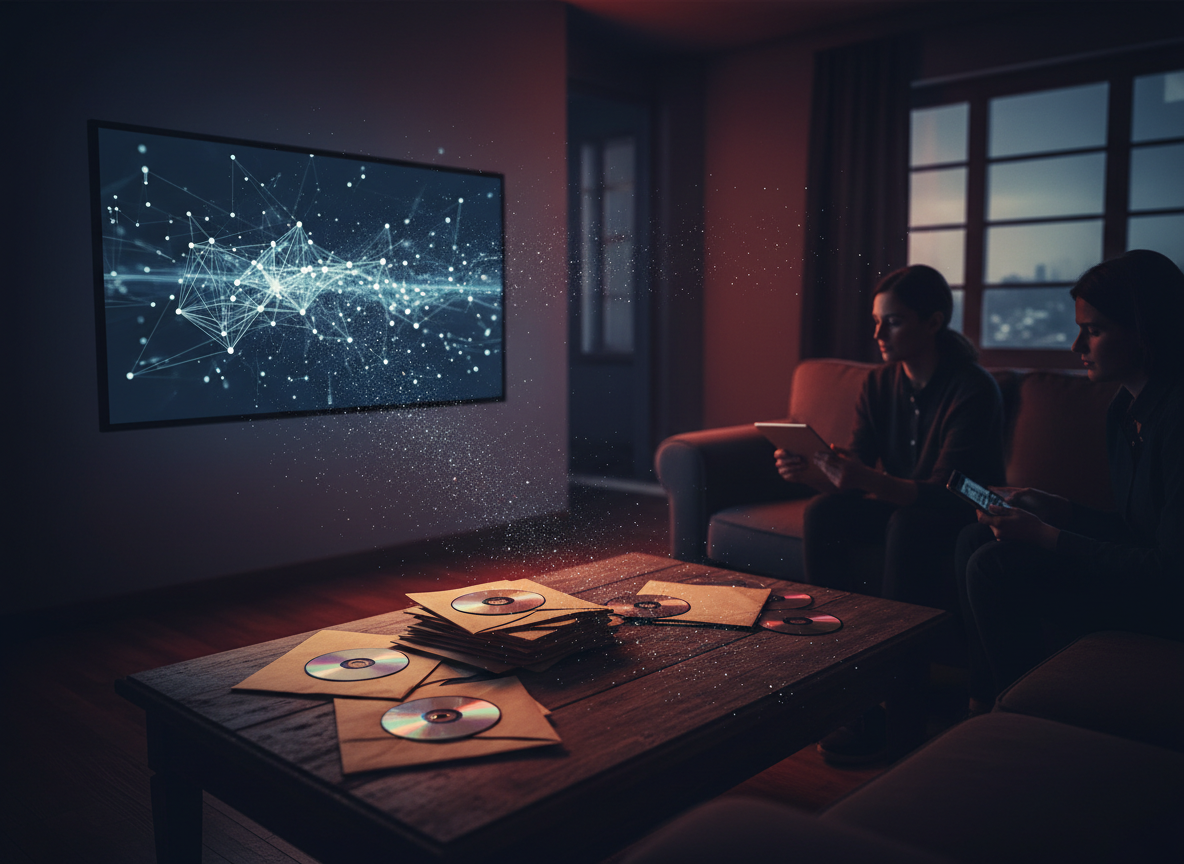
Netflix was founded in 1997 in California and initially built its business around DVD rentals by mail. Customers could order films online and receive physical discs instead of visiting a video store. The model was designed around convenience and a growing internet audience.
The subscription idea
Netflix developed a subscription model that separated the service from traditional rental-store economics. Customers could keep DVDs longer and manage their selections online. The company gradually built a recommendation system around viewing and rental behavior.
2007: streaming arrives
The defining transformation came in 2007, when Netflix began offering streaming alongside its DVD business. At first the streaming library was limited, but broadband internet was improving and connected devices were becoming more common.
From computers to televisions
Streaming became much more powerful when Netflix reached televisions, game consoles, Blu-ray players, smartphones and tablets. The service no longer depended on a physical disc or a computer browser. It became a persistent entertainment application.
Global expansion
Netflix expanded internationally, beginning with Canada in 2010 and later entering many other markets. Each expansion required different approaches to languages, licensing, pricing and local audiences.
Original programming changes the business
Netflix increasingly invested in original programming. House of Cards, released in 2013, became an early symbol of the company’s move from distributor to producer. Other original series and films followed, making Netflix less dependent on licensing content from traditional studios.
The streaming wars
Netflix’s success helped accelerate a wider industry transition. Traditional media companies launched their own streaming services, while studios increasingly reconsidered how long films and series should remain licensed to outside platforms.
Why Netflix matters
The important part of Netflix’s history is not simply that it replaced DVDs with streaming. It changed the expected behavior of viewers: search instead of browse shelves, watch immediately instead of wait for delivery, and increasingly consume entire seasons on demand.
Timeline
- 1997 — Netflix is founded.
- 1998 — DVD rental service begins.
- 1999 — Subscription model develops.
- 2007 — Streaming begins.
- 2010 — International expansion begins with Canada.
- 2013 — Netflix’s original-programming era accelerates.

The DVD business taught Netflix about convenience
The original Netflix model may look distant from streaming, but many of its important ideas were already present. Customers could browse a catalog online, create a queue and receive entertainment without visiting a store. That focus on convenience became the foundation for the later streaming service.
Recommendations become part of the product
Netflix invested heavily in understanding what viewers wanted to watch. Recommendation systems helped solve a basic problem created by large digital catalogs: when there are thousands of choices, finding the next program can be harder than accessing the content itself.
Original content changes bargaining power
As Netflix grew, relying entirely on licensed content created strategic limits. Studios could withdraw popular programs or demand different licensing terms. Investing in original productions gave Netflix content that it controlled more directly and helped build franchises associated with the platform.
Streaming changes viewing habits
The traditional television schedule encouraged viewers to watch programs at particular times. Streaming separated entertainment from a fixed broadcast schedule. People could pause, resume, choose episodes and watch several installments in one session.
Technology behind the experience
Streaming at global scale requires more than a video website. It depends on content delivery networks, encoding, applications for many devices, adaptive streaming and systems that can respond to different internet speeds. Netflix became as much a technology company as a media distributor.
A new entertainment landscape
The Netflix story helped inspire competitors and accelerated the decline of some older distribution models. The result was an entertainment market where viewers increasingly expected on-demand access across televisions, computers and mobile devices.
Share this story
Explore more: InfamousHub · Games · Entertainment · Companies · History.
Kommentar verfassen